Hello, I am a Canadian Digital Artist Residing in Hong Kong
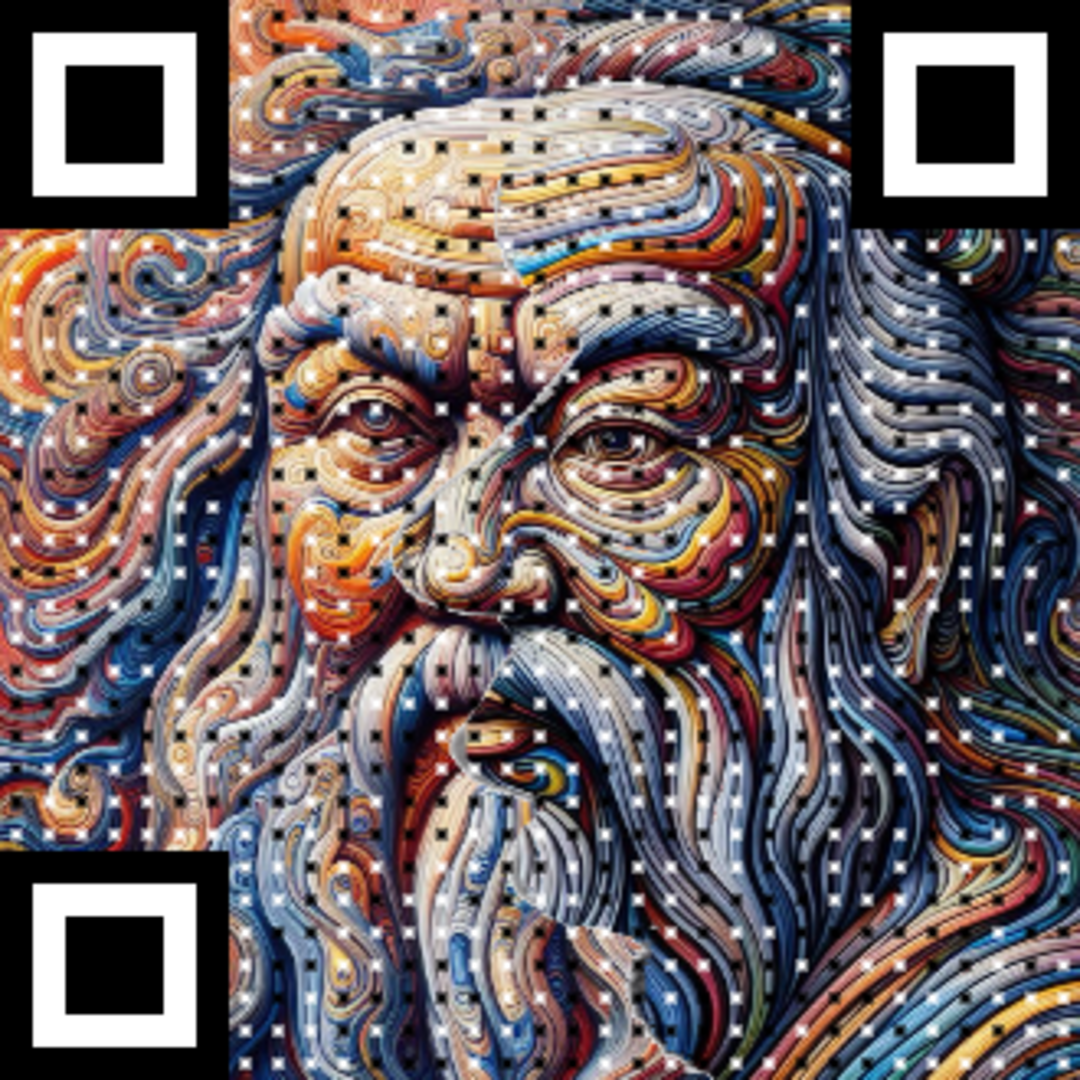
I am a self-taught “end-to-end” digital artist (who do all the works myself with a simple computer) as opposed to a team with expensive equipment. I am specialised in digital image/video derivatives and generative arts, etc., using multiple software, techniques, and programming to derive his creatives.
I believe that most artworks existed due to the urge of artists to express themselves. In recent years, the rapid advancements in digital science may have opened up more ways for artists to do just that. These techniques could include Artificial Intelligence (Ai), Augmented Reality (AR), Audio & Video, website extension, 3D modelling, metaverse, cross mediums/mixed media, etc. This application of digital science on traditional arts created a hybrid known as “Digital Arts”, which is understood by many as “artistic work or practice that uses digital technology as part of the creative or presentation process”. However, in my humble opinion, whereas digital technology is mostly used on the creative process, it is currently underutilised in its use on the presentation process, and/or creating an interactive relationship with the audience. A full utilisation of what technology can offer to make arts more lively is to him a “truly digital art”.
I further believe that digital arts would eventually bring about a paradigm switch as to how arts would be appreciated in the future. Expression may no longer need to be confined to the creative itself as participation and engagement may now be “extended” outside the realm of the original canvas with the help of technology onto other “digital devices” such as mobile phones, VR glasses, etc connected via QR or AR marker with the “receiving end” utilising html codes on websites to control the visual interactions for examples, to be watched over a web browser.
In the creative process, although I favors more derivative arts over generative arts (Ai), and digital painting and brushes, I have recently moved towards a mixture of Artificial Intelligence (Ai) and Human Intelligence (Hi) techniques in my artworks. Hi can fill-in where Ai lacks. In derivative arts, my techniques called for high-level digital processing using similar image processing and presentation software such as Adobe, PowerPoint, and beyond. In Ai assisted generative arts, both western and Chinese Ai are used, sometimes a creative derived from one is fed into the other for deep processing. Again, Ai and Hi are used in my programming.
I am never afraid to experiment futuristic digital methods and software to meet my artistic objectives in the following elements within his artworks: (1) Light (e.g., shining contrast); (2) Space (e.g., depth, 3D); (3) Time (e.g., still or motion); (4) Optical Illusion.
Bobby Kim Ling Chen Portfolio
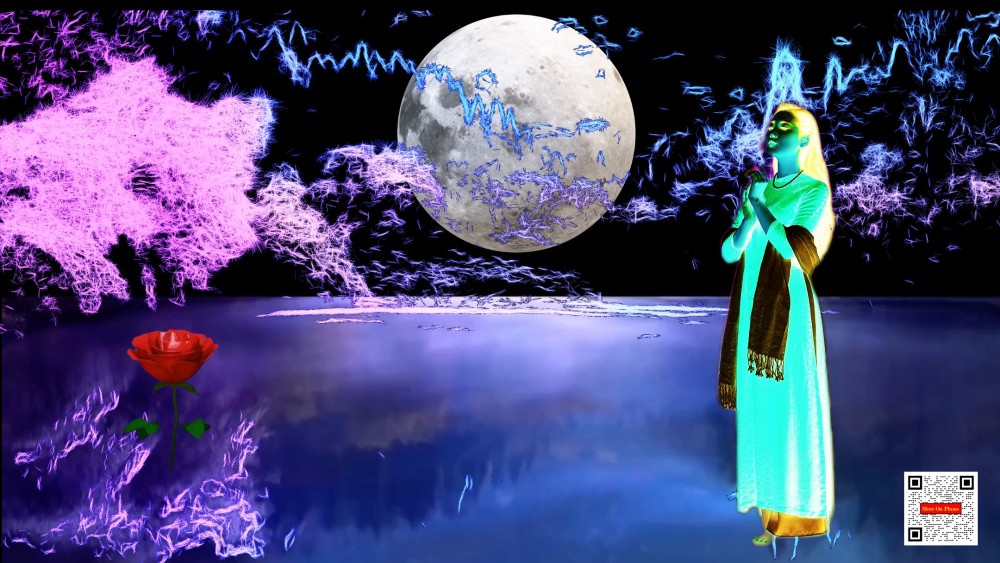
Alt Garden Of Eden
If you think this is a beautiful digital artwork, wait till you scan the QR and see the beauty extended on to your phone in motion.